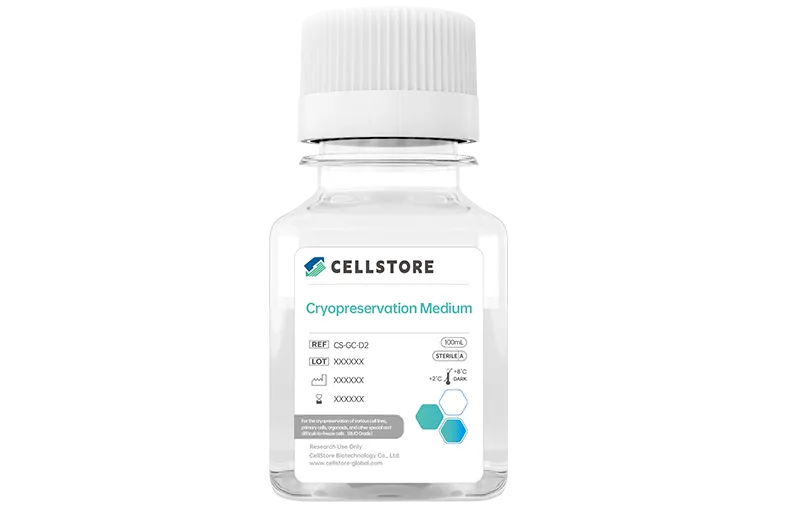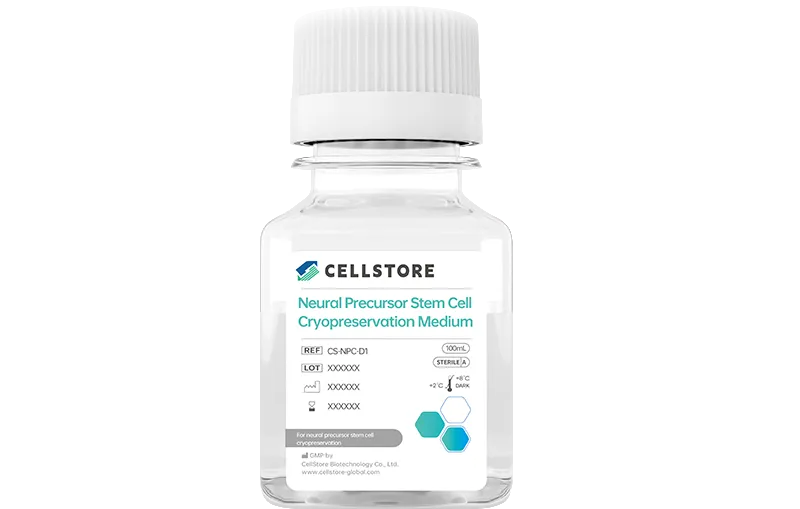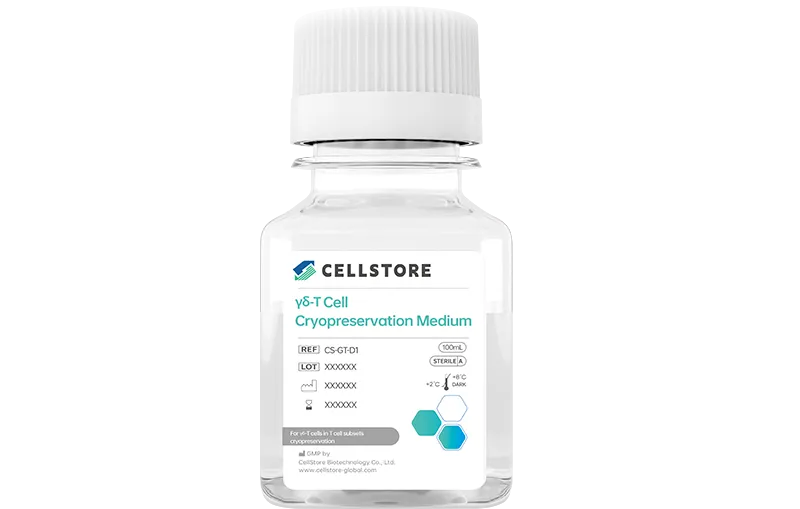

The cryopreservation media definition refers to a specialized solution designed to protect biological materials, such as cells, tissues, and biological samples, during freezing, storage, and thawing processes. By reducing cellular damage caused by ice crystal formation and temperature changes, cryopreservation media helps maintain cell viability and biological functionality after long-term storage.
Unlike standard laboratory solutions, a cryopreservation medium contains specific protective components that create a suitable environment for cells under extremely low temperatures. These formulations are widely used in biotechnology research, regenerative medicine, pharmaceutical development, and cell therapy applications.
The main purpose of cell cryopreservation media is to improve recovery rates after thawing while preserving important cellular characteristics. A properly formulated cryopreservation solution helps minimize membrane damage, maintain metabolic activity, and support consistent experimental outcomes.
Understanding the cryopreservation media definition is essential for researchers selecting suitable storage solutions because different cell types may require different formulations to achieve optimal preservation performance.
Long-term cell storage presents significant challenges because freezing and thawing can create physical and biological stress. Without appropriate protection, ice crystal formation may damage cell membranes, reduce viability, and affect cellular functions.
Cryopreservation media provides a controlled environment that helps cells tolerate freezing conditions. The protective components within the medium regulate ice formation, reduce osmotic stress, and improve cell recovery after thawing.
For research laboratories and biotechnology companies, reliable preservation is essential because stored cells are often used for future experiments, quality testing, and therapeutic development. Consistent storage conditions help maintain reproducibility and reduce the risk of losing valuable biological materials.
High-quality cryopreservation media for cells supports:
Improved post-thaw cell viability
Better preservation of biological characteristics
More consistent experimental results
As cell-based research continues to expand, optimized cell freezing media has become an important tool for maintaining cell resources efficiently.
The performance of a cryopreservation medium depends largely on its formulation. Different cell types may require different combinations of protective agents, nutrients, and supporting components.
Cryoprotective agents are the key components in most cryopreservation medium composition designs. They help reduce ice crystal formation and protect intracellular structures during freezing.
Common cryoprotective components include substances such as dimethyl sulfoxide (DMSO) and glycerol, which help cells survive freezing and thawing stress when used at appropriate concentrations.
Besides cryoprotectants, many formulations include additional components to maintain cell stability during storage. These may include salts, proteins, sugars, or other stabilizing compounds that help preserve cellular integrity.
A typical cryopreservation medium composition may include:
| Component | Function |
|---|---|
| Cryoprotective agents | Reduce freezing damage |
| Nutrients | Support cell recovery after thawing |
| Stabilizers | Maintain cellular structure |
| Buffer systems | Maintain suitable pH conditions |
The ideal composition depends on the biological material being preserved. For example, stem cells, immune cells, primary cells, and established cell lines may require different cell cryopreservation media formulations.
The terms cryopreservation media and cell freezing media are often used interchangeably because both refer to solutions designed to protect cells during freezing. However, their usage can vary depending on the application and formulation complexity.
Cell freezing media generally refers to products specifically designed for routine laboratory cell storage. These solutions are commonly used for preserving established cell lines and maintaining research cell banks.
In comparison, cryopreservation media is a broader term that includes formulations used for different biological samples, including advanced cell therapy materials, tissues, and specialized research samples.
| Feature | Cryopreservation Media | Cell Freezing Media |
|---|---|---|
| Main Purpose | Broad biological preservation | Routine cell freezing |
| Applications | Cells, tissues, therapy research | Laboratory cell storage |
| Formulation | May include specialized components | Often optimized for common cell lines |
Both solutions aim to maintain cell quality during freezing, but the selection depends on the specific sample type and storage requirements.
With the rapid development of biotechnology and life science research, the demand for reliable preservation methods has increased significantly. Cryopreservation media plays an essential role in maintaining biological samples for research, clinical development, and industrial applications.
In academic laboratories, cryopreservation media for cells is commonly used to preserve cell lines, primary cells, and immune cells for future experiments. Stable storage allows researchers to maintain valuable biological resources while reducing the need for continuous cell culture.
In cell therapy and regenerative medicine, preservation quality becomes even more critical. Therapeutic cells must maintain their viability and biological characteristics after storage and transportation. A suitable cell cryopreservation media formulation helps support consistent recovery after thawing, which is important for downstream applications.
Common applications include:
Preservation of stem cells for research and therapeutic development
Storage of immune cells for immunotherapy studies
Cell banking for biotechnology and pharmaceutical research
Transportation of biological samples between facilities
Long-term storage of tissue samples and biological materials
The growing adoption of advanced cell-based technologies has increased demand for specialized cryopreservation solution products that can support different cell types and application requirements.
Selecting the appropriate cryopreservation solution requires careful consideration of the sample type, storage purpose, and expected recovery performance. Different cells have unique biological characteristics, meaning that a formulation suitable for one cell type may not provide the same results for another.
Researchers should evaluate several important factors before selecting a cryopreservation medium.
Different biological materials respond differently to freezing conditions. Stem cells, immune cells, primary cells, and established cell lines may require specific formulations to maintain optimal viability.
A high-quality cell freezing media solution should support strong post-thaw recovery, allowing cells to quickly return to normal growth and function after thawing.
Research applications may prioritize cost efficiency and routine storage, while clinical and therapeutic applications often require higher consistency, documentation, and quality control standards.
When comparing different products, researchers should consider:
Compatibility with the target cell type
Post-thaw viability performance
Ease of handling and storage
Required freezing and thawing procedures
Application-specific quality requirements
Choosing the right cell cryopreservation media can improve workflow efficiency and help maintain reliable biological resources over extended storage periods.
The cryopreservation media definition refers to a specialized solution used to protect cells and biological samples during freezing and long-term storage. It helps reduce freezing damage and maintain cell viability after thawing.
Cryopreservation media is used for preserving cells, tissues, and biological samples in research, biotechnology, and cell therapy applications. It helps maintain sample quality during storage and transportation.
A cryopreservation medium is a broad term covering various preservation formulations, while cell freezing media usually refers to solutions specifically designed for routine cell storage in laboratories.
The cryopreservation medium composition typically includes cryoprotective agents, stabilizing components, nutrients, and buffering substances. The exact formulation depends on the cell type and application requirements.
Choosing cryopreservation media for cells depends on the biological material, required storage duration, post-thaw recovery expectations, and intended application. Researchers should select formulations validated for their specific cell type.