
Tissue culture media are specialized nutrient formulations designed to support the growth, maintenance, differentiation, or preservation of cells and tissues outside the body. Common categories include basal media, serum-containing media, serum-free media, stem cell media, immune cell media, tissue preservation media, and cryopreservation media. The optimal medium depends on the cell type, application, and regulatory requirements. Learn about the different types of tissue culture media, their compositions, applications, and selection criteria for research, biopharmaceutical manufacturing, regenerative medicine, and tissue preservation.
Tissue culture medium is a nutrient-rich solution that provides cells and tissues with the essential components required for survival and growth under controlled laboratory conditions. Unlike simple salt solutions, modern tissue culture media are precisely engineered formulations that mimic the complex physiological environment of the human or animal body.These media serve multiple critical functions:
Nutrient Supply: Delivering carbohydrates, amino acids, vitamins, and minerals necessary for cellular metabolism.
pH Regulation: Maintaining optimal pH levels (typically 7.2–7.4) through buffering systems like bicarbonate or HEPES.
Osmotic Balance: Ensuring proper osmolarity to prevent cell swelling or shrinkage.
Cell Signaling Support: Providing growth factors and hormones that regulate proliferation and differentiation.
Metabolic Regulation: Supporting energy production and waste removal pathways.
In research labs, biobanks, and cell therapy facilities, the choice of medium can determine experimental success, product quality, and regulatory approval. With the rapid growth of regenerative medicine and advanced therapy medicinal products (ATMPs), understanding these media has never been more important.
High-quality tissue culture media are complex mixtures of dozens of ingredients, each serving specific biological roles. Understanding these components helps researchers optimize conditions for their specific cell types. A tissue culture media diagram can provide a clearer overview of how nutrients, growth factors, and other essential components are organized within different formulations.
Inorganic salts maintain osmotic pressure and provide essential ions such as sodium, potassium, calcium, magnesium, and phosphate. These ions are crucial for membrane potential, enzyme activity, and signal transduction. Common examples include NaCl, KCl, CaCl₂, and NaHCO₃.
Amino acids serve as building blocks for protein synthesis and act as nitrogen sources. Essential amino acids that cells cannot synthesize must be supplied in the medium. Glutamine is particularly important as both an energy source and a precursor for nucleotide synthesis.
Vitamins act as cofactors in metabolic reactions. The B vitamins (thiamine, riboflavin, etc.) are especially critical for energy metabolism and cellular redox balance.
Glucose is the primary carbohydrate energy source in most media, while pyruvate can provide an alternative energy pathway and help reduce oxidative stress.
These include EGF (Epidermal Growth Factor), FGF (Fibroblast Growth Factor), and TGF-β (Transforming Growth Factor Beta), which regulate cell proliferation, migration, and differentiation.
Fetal bovine serum (FBS) has traditionally been used to supply undefined growth factors, hormones, and attachment factors. However, the industry is rapidly shifting toward defined, serum-free, and animal-origin-free alternatives for better consistency and regulatory compliance.
| Component | Function |
|---|---|
| Salts | Osmotic balance & ion supply |
| Amino Acids | Protein synthesis & nitrogen source |
| Vitamins | Metabolic cofactors |
| Glucose/Pyruvate | Energy production |
| Growth Factors | Proliferation & differentiation |
| Serum | Broad cell support (undefined) |
Basal media provide the basic nutrients required for cell survival but often need supplementation with serum or growth factors for optimal performance. They form the foundation of most culture systems.
DMEM (Dulbecco’s Modified Eagle Medium): Rich in nutrients, widely used for adherent cells such as fibroblasts, epithelial cells, and many tumor cell lines. High glucose variants support rapid proliferation.
RPMI-1640: Optimized for suspension cultures, particularly immune cells like lymphocytes. Contains higher levels of phosphate and is excellent for hybridoma production.
MEM (Minimum Essential Medium): A simpler formulation suitable for a broad range of cell types when supplemented appropriately.
IMDM (Iscove’s Modified Dulbecco’s Medium): Supports hematopoietic cells and bone marrow cultures with higher nutrient levels.
These traditional formulations combine basal media with 5–20% serum (usually FBS). Advantages include rich growth support and ease of use. However, they suffer from batch-to-batch variability, potential contamination risks (viruses, prions), and regulatory challenges in clinical applications.
Serum-free media represent a major advancement in cell culture technology. They offer superior consistency, reduced risk of adventitious agents, and better compliance with GMP standards for biopharmaceutical production. These media are chemically defined or contain recombinant proteins, making them ideal for large-scale manufacturing and cell therapy.Key benefits include improved lot-to-lot reproducibility, easier downstream processing, and enhanced safety profiles for therapeutic applications.
The gold standard for cell and gene therapy (CGT) manufacturing. Every component is known and quantified. This category is rapidly becoming the industry preference due to stringent regulatory expectations from FDA, EMA, and other agencies.
Specialized formulations designed to maintain pluripotency or direct differentiation of mesenchymal stem cells (MSCs), induced pluripotent stem cells (iPSCs), and embryonic stem cells (ESCs). These media often include specific growth factors like bFGF, activin, and small molecule inhibitors to prevent spontaneous differentiation.
Optimized for T cells, NK cells, and CAR-T manufacturing. These media support high-density expansion while maintaining desired phenotypes and functionality. Key additives often include IL-2, IL-7, IL-15, and specialized activation reagents.
With the booming interest in organoids for disease modeling and drug screening, these media support complex three-dimensional structures. They typically contain Wnt agonists, R-spondin, Noggin, and other niche factors to recapitulate tissue architecture.
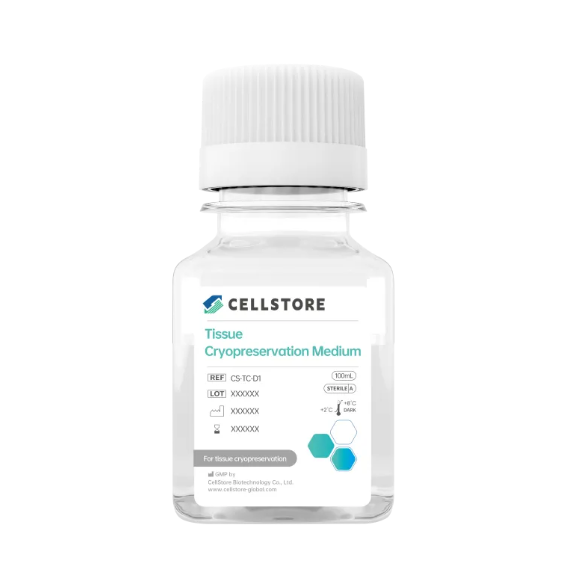
Tissue preservation media are critical for maintaining viability during transport and short-term storage. Applications include biobanking, organoid research, clinical sample transport, and regenerative medicine workflows. These solutions balance nutrients, antioxidants, and pH stabilizers to minimize ischemia-reperfusion injury.
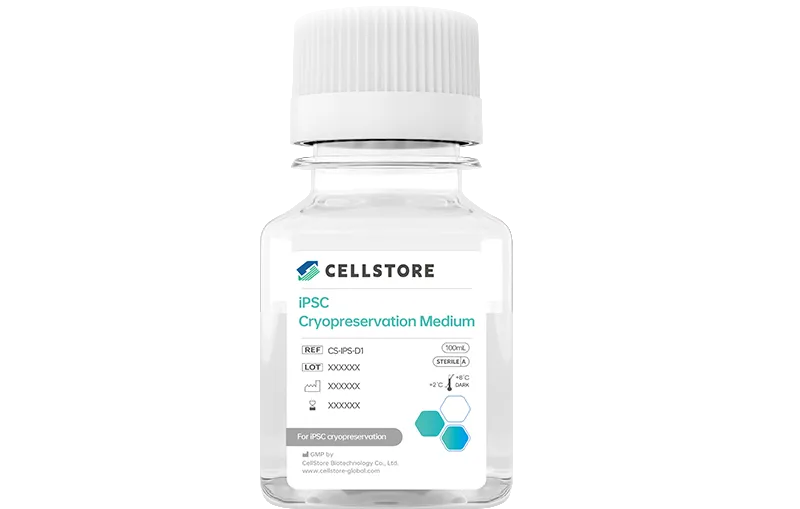
Cryopreservation media are specialized tissue preservation solutions designed for long-term storage at ultra-low temperatures (typically −196°C in liquid nitrogen). They protect cells from ice crystal formation, osmotic stress, and cryoinjury during freezing and thawing.Common types include DMSO-containing, DMSO-free, and serum-free formulations. Advanced solutions focus on high post-thaw recovery rates and compatibility with clinical applications.
| Medium Type | Primary Use | Advantages | Limitations |
|---|---|---|---|
| Basal Media | Cell growth | Versatile, cost-effective | Requires supplements |
| Serum Media | General culture | Easy to use, rich nutrients | Batch variability, safety concerns |
| Serum-Free | Biopharma manufacturing | Consistency, regulatory friendly | Optimization required |
| Stem Cell Media | Stem cells | Maintains pluripotency | Higher cost |
| Immune Cell Media | T/NK/CAR-T cells | Enhanced expansion & function | Specialized, expensive |
| Preservation Media | Tissue transport | Short-term viability | Not for long-term storage |
| Cryopreservation Media | Long-term storage | High recovery rates | Requires controlled freezing |
Selecting the appropriate medium is both an art and a science that directly impacts experimental outcomes and manufacturing success.
Different cells have unique nutritional requirements. Primary cells, immortalized lines, stem cells, and immune cells all demand tailored formulations.
Research applications may tolerate more variability, while manufacturing, biobanking, and clinical uses require stringent quality and traceability.
GMP compliance, animal-origin-free (AOF), and serum-free status are increasingly mandatory for cell therapy and gene therapy products.
Media choice affects harvest efficiency, purification, and final product quality in cell therapy and regenerative medicine workflows.
The field is evolving rapidly to meet the demands of next-generation cell and gene therapies.
Regulatory bodies strongly encourage elimination of animal-derived components to enhance safety and reproducibility.
Closed-system, automated, and scalable media solutions are becoming standard for commercial production.
Innovations such as Ice-Control Cryopreservation Technology are minimizing ice recrystallization damage and improving post-thaw viability across sensitive cell types.
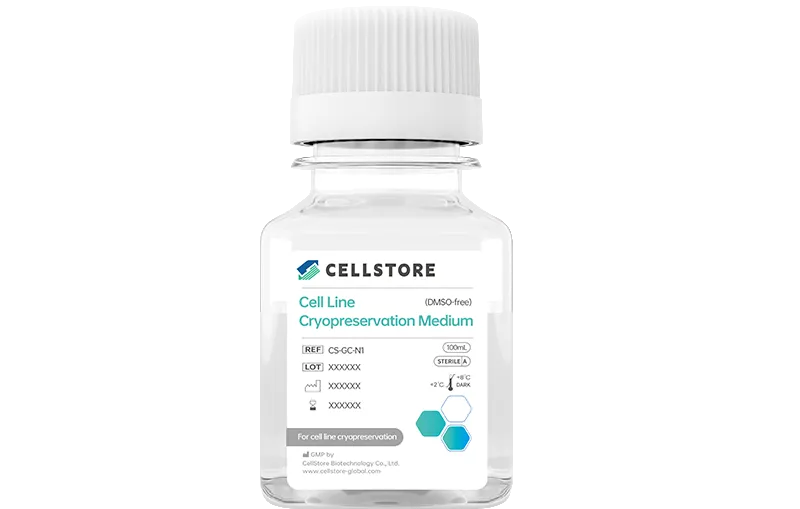
DMSO-free, protein-free, and chemically defined cryopreservation media address toxicity concerns and improve compatibility with clinical infusion protocols. These align with FDA and global trends toward safer, more effective preservation for regenerative medicine and biobanking.
CellStore Biotechnology Co., Ltd. is an innovative enterprise dedicated to the research, development, and production of advanced cryopreservation media for biological samples. Leveraging proprietary Ice-Control Cryopreservation Technology developed in collaboration with experts from the Chinese Academy of Sciences, CellStore delivers next-generation preservation solutions for the biopharmaceutical industry.Unlike traditional freezing media, CellStore offers DMSO-free, serum-free, protein-free, and animal-origin-free cryopreservation media that improve post-thaw recovery rates and support stringent regulatory compliance for cell therapy and regenerative medicine applications.
For Immune CellsT Cells, NK Cells, PBMC
For Stem CellsMSCs, iPSCs
For Cell Lines & BiobankingResearch-grade preservation
For TissuePreservation & Cryostorage
For ARTEmbryos & Reproductive Cells
Proprietary Ice-Control Cryopreservation Technology
DMSO-Free Solutions Available
Serum-Free & Animal-Origin-Free Formulations
GMP Manufacturing Facilities
Customized Development Services
Trusted by Hospitals, CROs & Research Institutes
DMEM and RPMI-1640 are among the most widely used basal media across research laboratories worldwide.
Serum-containing media use animal serum for broad growth support but introduce variability and safety risks. Serum-free media provide defined, consistent, and regulatory-friendly alternatives with better reproducibility.
Specialized stem cell media formulated for MSCs, iPSCs, or ESCs that maintain pluripotency or support directed differentiation, often containing specific cytokine cocktails and small molecules.
No. Standard culture media support cell growth, while cryopreservation media are specifically designed to protect cells and tissues during freezing and long-term storage. Using the wrong medium can result in significant viability loss.

 Cryopreservation Media