
Stem cell preservation through cryopreservation of stem cells is gaining attention as a forward-thinking strategy in modern healthcare. This process involves cooling these valuable cells to ultra-low temperatures using specialized stem cell freezing media to halt biological activity, allowing them to be stored indefinitely for future use. With the rapid advancements in regenerative medicine, many are asking: Is freezing stem cells worth it?
Cryopreservation is a sophisticated technique that preserves cells and tissues by cooling them to very low temperatures, typically between -80°C and -196°C (using liquid nitrogen). This process effectively suspends cellular metabolism, stopping biological time and preventing degradation.
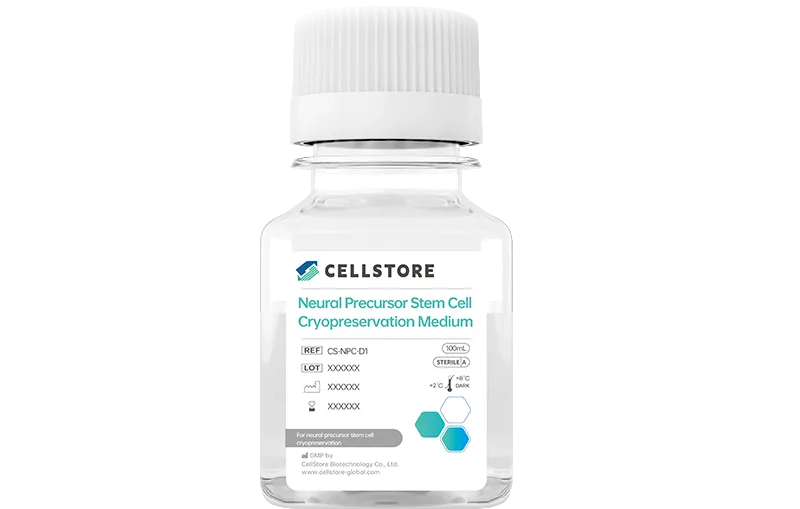
For stem cells, the standard stem cell cryopreservation protocol involves controlled-rate freezing with cryoprotectants—often found in formulations like CryoStem freezing medium—to prevent ice crystal formation that could damage delicate structures. Cells are then transferred to specialized storage tanks. Once frozen, stem cells can be thawed at any time while retaining their viability for transplants, therapies, or research. The cryogenic process halts development and protects against damage, ensuring the cells remain potent upon revival.
Stem cells' unique ability to differentiate into various cell types makes them ideal for repairing damaged tissues. Preserving them now provides access to potential future therapies for conditions like heart disease, diabetes, or neurological disorders.
By banking stem cells, individuals create a personal resource ready for emerging treatments, offering real hope in regenerative medicine.
In urgent scenarios, such as trauma or acute illnesses, thawed preserved stem cells can be deployed quickly, accelerating recovery and improving outcomes where traditional methods fall short.
This rapid availability optimizes emergency care and can be life-saving in time-sensitive situations.
Cryopreservation of stem cells enables truly tailored treatments. Cells harvested at a healthier or younger stage can be used later, matching the patient's exact genetic profile to minimize rejection risks and maximize efficacy.
This personalized approach represents a shift toward precision healthcare with better, safer results.
Preserved stem cells offer researchers a stable, long-term supply for experiments, speeding up discoveries in new applications and therapies.
This reliable resource drives faster progress from lab to clinic, expanding treatment options for future generations.
While the advantages are substantial, ethical guidelines are crucial to ensure responsible practices, including informed consent and fair distribution.
Promoting accessibility through education and affordable options helps make the benefits of stem cell preservation available to everyone, regardless of background.
Given the robust stem cell cryopreservation protocol and transformative potential, freezing stem cells is indeed worth considering for many. From safeguarding against future health challenges to contributing to medical advancements, cryopreservation of stem cells using optimized stem cell freezing media empowers proactive health management. As technology evolves, the value of this preservation strategy will only increase, making it a smart choice for long-term well-being.