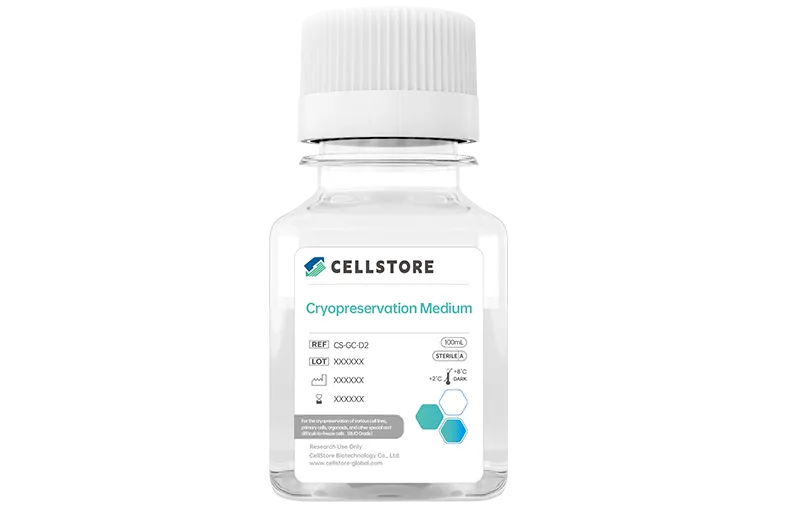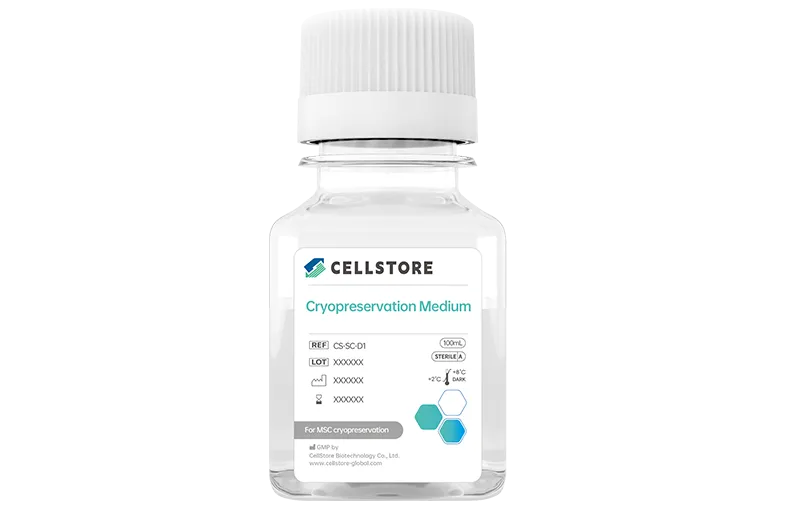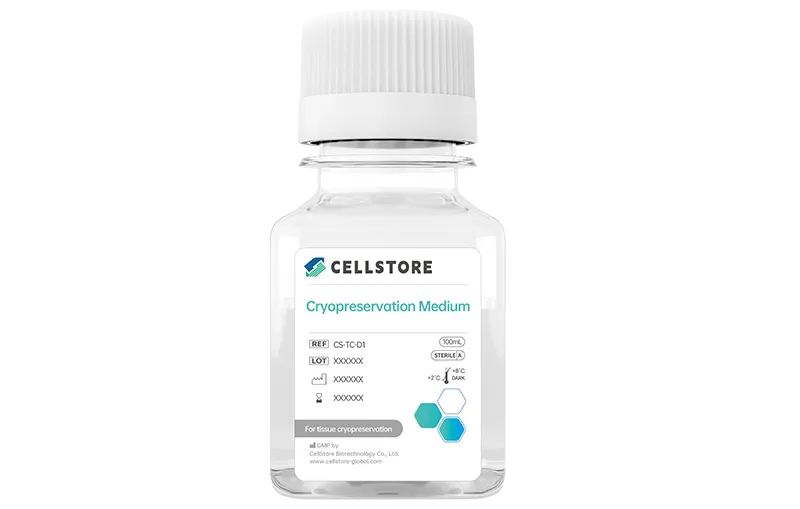

Cryopreservation is a vital technique in cell culture research, allowing scientists to preserve valuable cell lines for extended periods. Whether working with human or animal cells in vitro, mastering the use of Cell Freezing Medium (CFM) is essential for ensuring cell viability and successful experiments. This guide explores the process of freezing and thawing cells, offering practical advice, essential materials, and expert strategies to maintain healthy cell lines. By understanding cryopreservation, researchers can safeguard their cells for long-term use, ensuring reliable results in their studies.
Cell Freezing Medium (CFM) is a specialized solution crafted to cryopreserve most human and animal cells in vitro, intended solely for research purposes and not for use in animals, humans, or diagnostic procedures. The medium typically includes cryoprotectants such as dimethylsulfoxide (DMSO) and components like fetal bovine serum (FBS) to shield cells from damage during the freezing and thawing processes. Cryopreservation is critical for maintaining cell lines in the laboratory, as it prevents genetic changes, senescence, or contamination over time. By storing cells in liquid nitrogen, researchers can ensure a consistent supply of healthy cells, eliminating the need to replace cell lines or request aliquots from colleagues, thus saving time and resources.
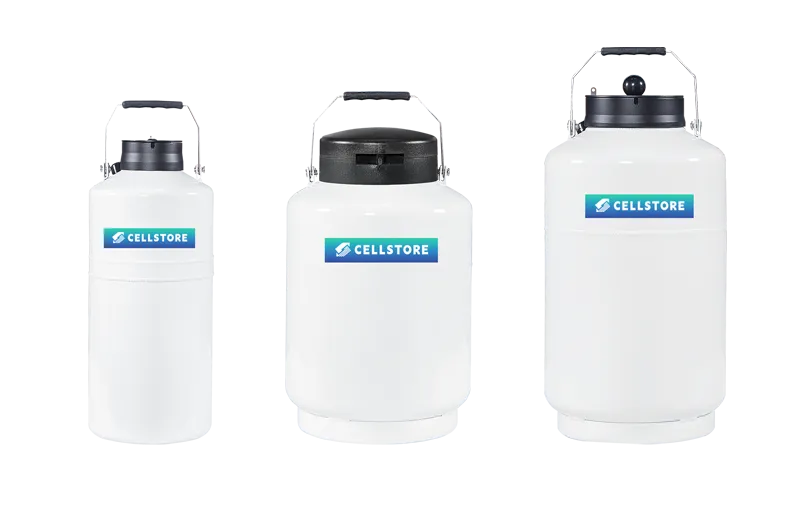
Freezing cells demands precision and the right materials to preserve their viability. The process begins with gathering essential supplies, including healthy, actively growing cultured cells, cell growth media, solutions for detaching adherent cells (such as balanced salt solution or trypsin/EDTA), tissue culture-grade DMSO, fetal bovine serum (FBS), cryovials designed for liquid nitrogen storage, a cell freezing chamber, a –80°C freezer, and a liquid nitrogen tank for long-term storage.
The first step involves passaging cells 1–2 days before freezing to ensure they are in the logarithmic growth phase, or refreshing the growth medium 24 hours prior if passaging isn't required.
Next, adherent cells are detached or suspension cells are collected using standard passaging methods, followed by centrifugation to form a pellet and remove the supernatant. The cell pellet is then resuspended in 1 mL of freezing medium per cryovial, typically a mix of 90% FBS and 10% DMSO, though 10% DMSO in cell growth medium may suffice for less sensitive cells. Cryovials should be labeled with a lab marker resistant to alcohol and liquid nitrogen, noting passage or lot numbers for traceability. To avoid cell damage from ice crystal formation, osmotic stress, or membrane damage, cells must be frozen slowly using a cell freezing chamber, which can range from high-end models using liquid nitrogen pulses to budget-friendly options with room-temperature isopropanol or even DIY Styrofoam racks.
After freezing at –80°C for at least 4 hours, cryovials are transferred to a liquid nitrogen tank for long-term storage. Safety is paramount when handling liquid nitrogen, as it poses risks of severe cold burns, asphyxiation, or explosions, necessitating strict adherence to safety protocols.
Thawing cells rapidly is crucial to maintaining their viability. The process requires frozen cells in cryovials, pre-warmed cell growth media, and a 37°C water bath. Begin by removing cryovials from the liquid nitrogen tank and immediately placing them in the water bath, thawing until only a small ice crystal remains to minimize cell stress. The thawed cells are then transferred to approximately 10 mL of pre-warmed cell growth medium per 1-mL aliquot.
Researchers can either centrifuge the cells to remove the freezing medium and resuspend the pellet in fresh growth medium before plating, or plate the cells directly and change the medium later, such as after adherent cells attach or the next morning for suspension cells, to reduce stress on fragile cells. For adherent cells, the medium should be changed as soon as they attach to the dish, typically within a few hours. Approximately 24 hours after thawing, cells should be examined under a microscope to confirm they are healthy, adhering properly (if applicable), and exhibiting normal behavior.
Cell Freezing Medium should be stored at –20°C, but after thawing, it can be kept at 2–8°C for up to 5 days. It's best to avoid frost-free freezers, as their temperature cycling can degrade the medium's quality. For optimal results, use CFM in standard freezing protocols, ensuring it is handled and stored correctly to maintain its effectiveness during cryopreservation.
Tips for Cryopreservation Success
To achieve the best outcomes in cryopreservation, use high-quality, non-expired reagents like DMSO and FBS to ensure cell viability. Meticulous labeling of cryovials with passage numbers, cell type, and date is essential to avoid confusion and maintain traceability. Consistent storage conditions are critical, so regularly monitor liquid nitrogen tank levels to prevent temperature fluctuations that could harm cells. Safety is a top priority when working with liquid nitrogen, so always use appropriate protective equipment to guard against hazards like cold burns or asphyxiation. By following these practices, researchers can master cryopreservation, preserving cell lines effectively and avoiding the costs and frustrations of replacing lost cultures. These techniques, suitable for both experienced scientists and newcomers, ensure that cells remain viable for years of impactful research.