
T cells are central to immunotherapy, and their cryopreservation directly impacts subsequent expansion and clinical efficacy. The right cryoprotectant solutions and preservation methods can maximize the maintenance of T cell viability, function, and phenotype while preventing cell death caused by ice crystal formation. This article focuses on the selection, formulation, and operational essentials of T cell cryopreservation media to help researchers and clinicians achieve effective long-term storage.
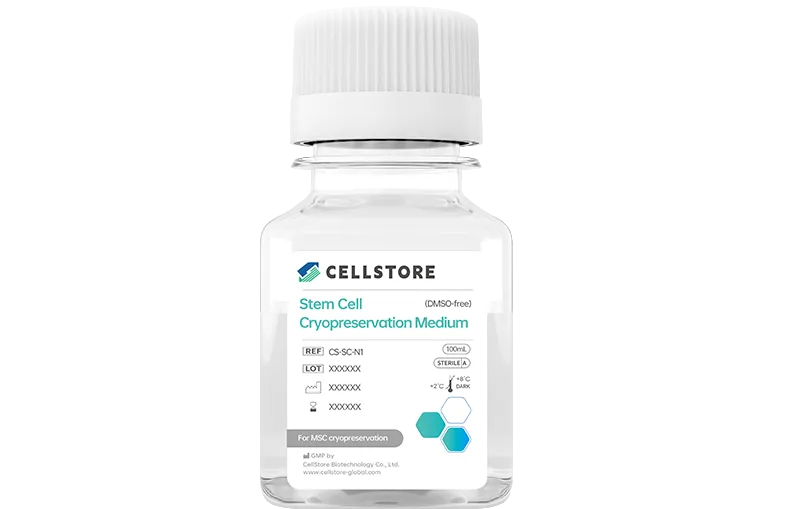
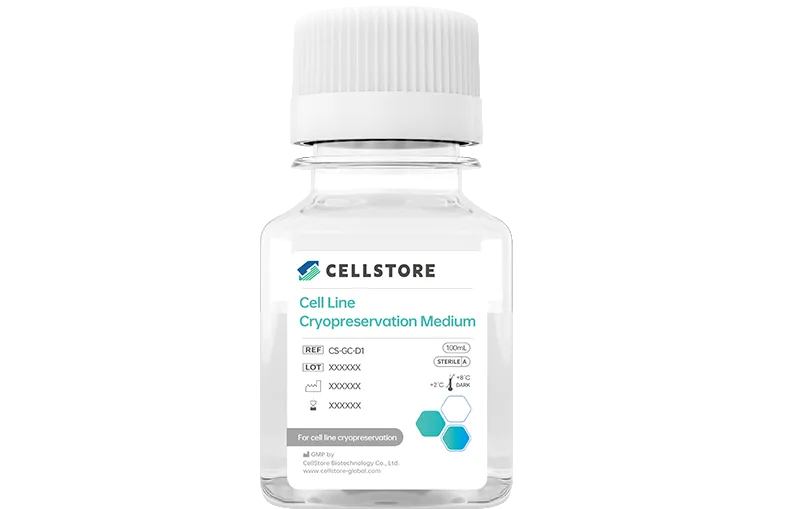
The primary function of T cell cryopreservation media is to prevent intracellular ice crystal formation and osmotic damage. These media typically include permeable cryoprotectants (such as DMSO) and non-permeable protectants (such as serum or human serum albumin). Standard formulations are often based on 10% DMSO combined with complete culture medium containing fetal bovine serum (FBS) (e.g., RPMI 1640 supplemented with 20-50% FBS), while serum-free commercial cryopreservation solutions are preferred for clinical-grade applications. DMSO rapidly penetrates cells, lowers the freezing point, and stabilizes membranes, whereas high concentrations of proteins provide additional protection. Given the sensitivity of T cells, it is recommended to use pre-chilled, freshly prepared cryopreservation media to avoid toxicity from prolonged exposure at higher temperatures.
Prior to freezing, T cells are resuspended in cryopreservation medium at a density of 1-5 × 10^7 cells/ml and aliquoted into specialized cryovials or cryobags. Controlled-rate freezing is essential, typically cooling at a rate of -1°C/min down to -80°C before transfer to liquid nitrogen for long-term storage. Programmable controlled-rate freezers ensure precise temperature reduction and minimize damage from rapid freezing. For clinical use, serum-free cryopreservation solutions and dedicated cryobags from brands like Cellstore can further improve post-thaw recovery rates and functional integrity.
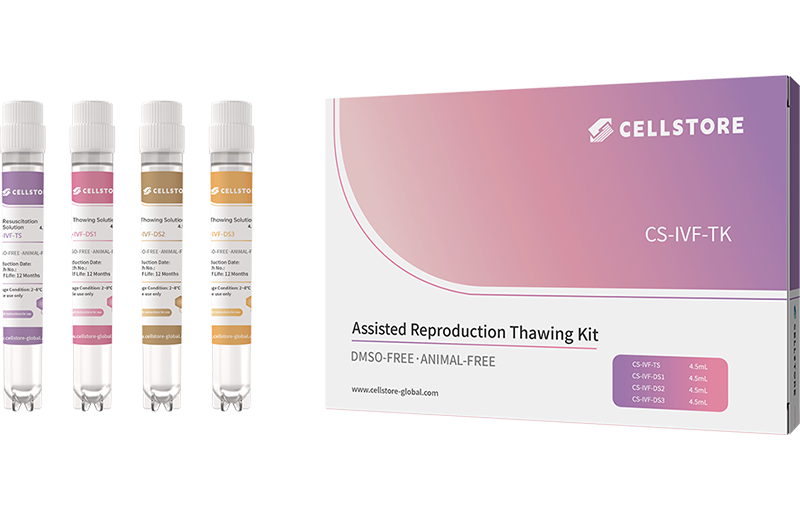
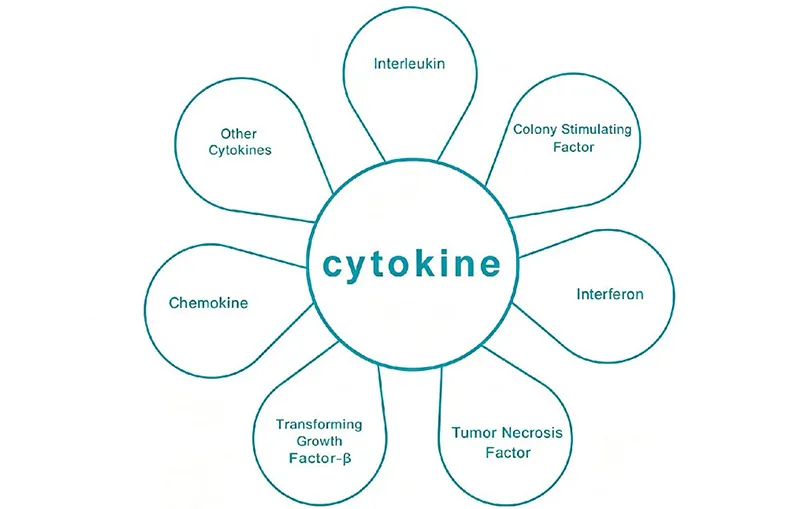
During thawing, cryovials are rapidly immersed in a 37°C water bath with gentle agitation until fully melted, followed by immediate dilution with pre-warmed culture medium to remove DMSO and reduce toxicity. Post-thaw, cell viability and phenotype are evaluated using trypan blue staining and flow cytometry, while functional assays assess cytotoxicity and cytokine secretion. Optimized cryopreservation formulations can achieve post-thaw viability exceeding 90%, preserving the potent killing capacity required for therapies such as CAR-T cell treatment. This technology provides a reliable foundation for large-scale production and personalized immunotherapy with T cells.