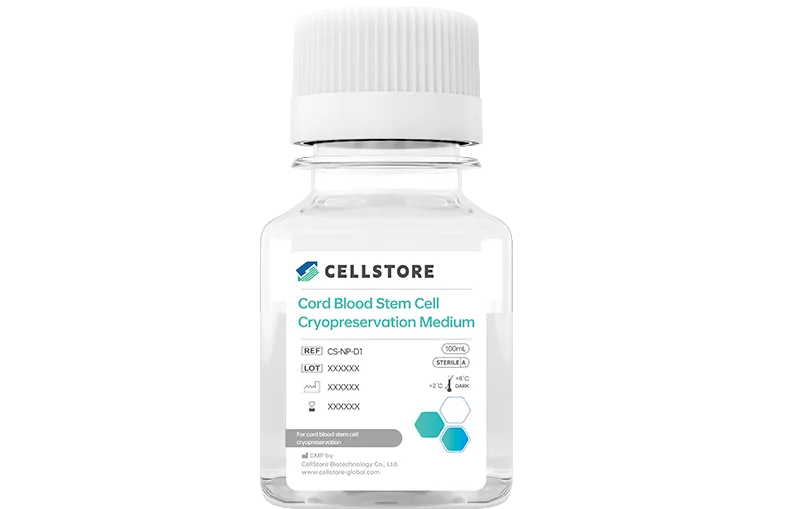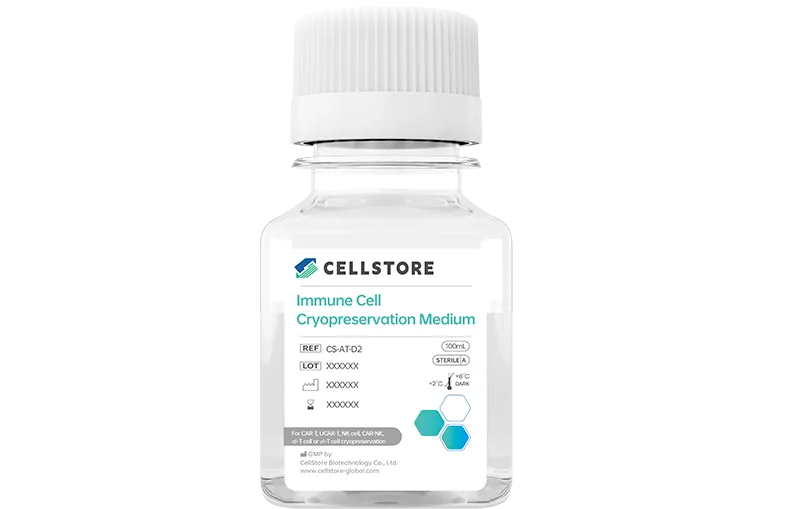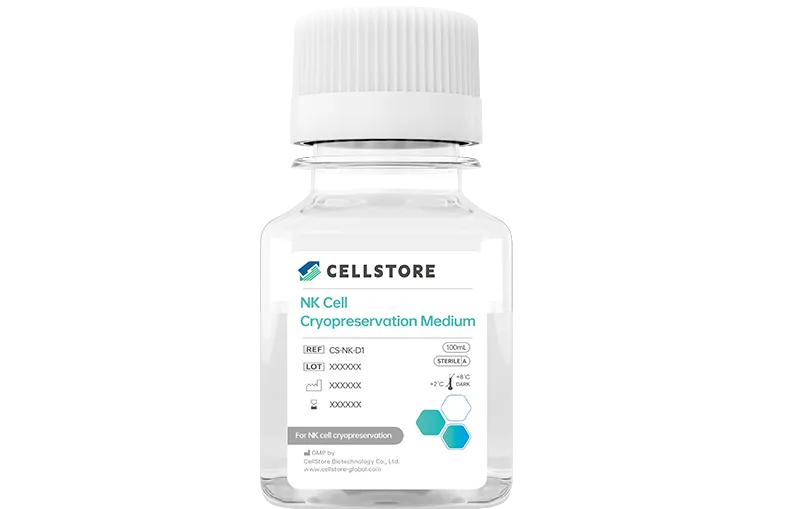

Cryopreservation media play a crucial role in the preservation of cells and tissues. These specialized solutions, often referred to as cell cryopreservation media, are formulated to safeguard cells throughout the freezing and thawing procedures, helping to preserve their viability and functionality even under ultra-low temperature conditions. They are indispensable in various research, clinical, and biotechnological settings.
The cryopreservation media definition encompasses carefully balanced mixtures that create a safe environment for cells during the freezing process. These cryopreservation media for cells typically include cryoprotective agents (CPAs), antioxidants, and additional components that work together to inhibit the development of ice crystals and minimize cellular injury. Modern formulations may also include options like dmso free cryopreservation media or serum free cryopreservation media to address specific sensitivities or regulatory needs. By protecting the structural and functional aspects of cells, these media are vital for applications in research, medicine, and biotechnology.
Preparing cryopreservation media requires careful attention to detail to ensure optimal cell survival. The process begins with choosing suitable cells, as different types exhibit unique sensitivities and needs during freezing. Selected cells should then be grown under ideal conditions to reach a robust and healthy state, enabling them to better endure the challenges of freezing and thawing. Cryoprotective agents, such as dimethyl sulfoxide (DMSO), ethylene glycol, and glycerol, are incorporated to stabilize cells and prevent harmful ice crystal formation—though alternatives in DMSO-free options are increasingly used for certain applications. Following preparation, cells are usually cooled in a controlled manner to -80°C to reduce damage risks. For extended preservation, samples are subsequently transferred to liquid nitrogen storage at approximately -196°C, which supports prolonged cell viability.
Cryopreservation enables the long-term storage of diverse biological specimens, including cells, oocytes, spermatozoa, tissues, ovarian tissues, pre-implantation embryos, and organs, at ultra-low temperatures. Key cryogenic materials involved are dry ice and liquid nitrogen. Dry ice facilitates initial cooling to prepare samples for the next phase, while liquid nitrogen, maintained at -196°C, provides the conditions necessary for sustained preservation and viability.
Cryopreservation media are essential for the reliable and efficient long-term storage of cells and tissues. Adhering to best practices in their preparation and application allows scientists and medical professionals to achieve high levels of sample viability and performance. The integration of dry ice and liquid nitrogen enhances the effectiveness of this process, establishing cryopreservation as a fundamental technique in both scientific research and clinical practice.