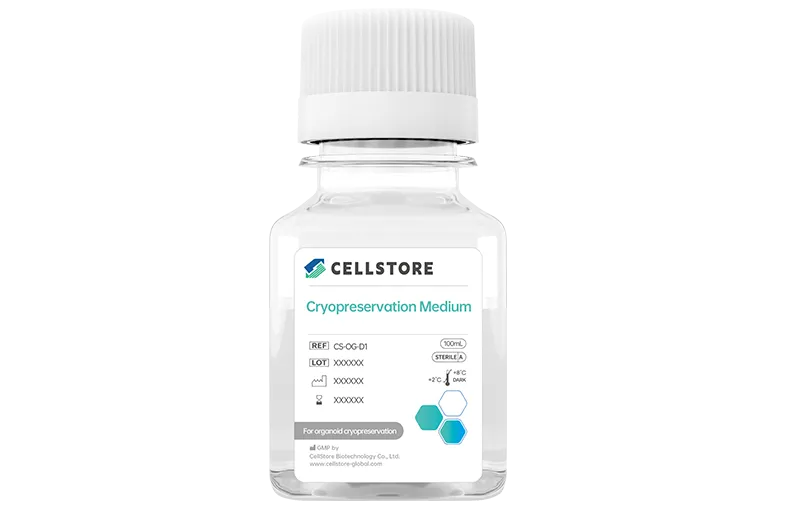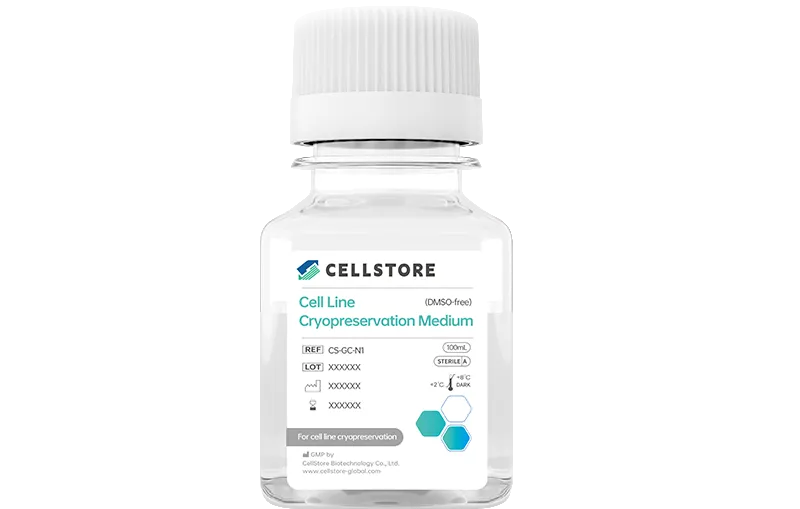

In laboratories dealing with cell-based experiments and applications involving cells as raw materials, cryopreservation has become an indispensable step alongside routine procedures such as cell passaging, culture, and transfection. In hospital biobanks and animal research laboratories, tissue cryopreservation is also commonly used. However, what issues and procedural details should be considered during the cryopreservation process?
Before performing cryopreservation experiments, several key questions must be clearly defined regarding the sample to be frozen:
a. What type of sample needs to be cryopreserved? What are the characteristics of the sample?
b. How long will the sample need to be preserved?
c. How will the sample be used after cryopreservation? (For example: for in vitro experiments, or for in vivo applications)
d. What cryopreservation density is needed, based on its intended use?
e. What are the key indicators to be evaluated after cryopreservation? (Such as viability, recovery rate, functional parameters of the cells, etc.)
After addressing the above questions, the next step is to choose the appropriate cryopreservation method and process based on the experimental design.
a. For DNA/RNA/protein extraction, genetic testing, or NGS (Next-Generation Sequencing) experiments, cryopreservation may not require specific cryopreservation media. You can freeze the sample directly or use a lysis-type cryopreservation solution, as freezing and thawing can cause the cells to rupture, releasing genetic material.
b. For routine cell culture purposes, a standard selfmade cryopreservation solution (serum + culture medium + DMSO) or a convenient commercial cryopreservation solution can be used.
c. For primary or fragile cells, a dedicated commercial cryopreservation solution should be chosen.
d. For applications involving human use (such as cell storage, immunotherapy, etc.), a serum-free, protein-free, and animal-origin-free cryopreservation solution should be used for safety.
Based on the number of cells per unit volume and the volume of the resuspension medium, calculate the total number of cells and add the appropriate amount of cryopreservation solution.
Typically, the cell density for cryopreservation should be between 1 × 10^6 to 1 × 10^8 cells/mL. Both excessively high and low concentrations can result in decreased cell viability. Slowly add the prepared cryopreservation solution to the cells in the calculated amount, gently mix, and then distribute the sample into cryovials.
"Prepared Solution": If using a homemade cryopreservation solution, it should be pre-mixed thoroughly before adding to the cells. It is crucial not to add medium, serum, and DMSO to the cells sequentially after centrifugation and mix them together, as this can cause local high concentrations that may lead to cell death.
"Slowly" and "Gently": This helps to avoid mechanical damage to the cells, especially for fragile ones, thus protecting their viability.
"Tissue Samples": The cryopreservation solution should completely cover the tissue sample. Additionally, prior to freezing, the sample should be equilibrated at 4°C for 30-60 minutes to ensure adequate penetration. Since tissue collection and dissection procedures may introduce contamination, it is recommended to add appropriate antibiotics to the cryopreservation solution to minimize the risk of contamination.
This concludes the key points that need attention during cryopreservation. The most important aspect of cryopreservation is sample design. Stay tuned for our next post on further details.