
Cryopreservation is a vital laboratory technique that enables researchers to store cells and other biological materials at extremely low temperatures, typically around −196°C, the temperature of liquid nitrogen. This method acts as a crucial safeguard, protecting cell cultures from loss due to contamination and minimizing genetic drift by allowing the use of early passage cells when current cultures have been grown for extended periods. By effectively preserving cells, cryopreservation ensures a consistent supply of healthy cells for ongoing experiments.
Check Cell Health Before Freezing
To achieve the best outcomes during cryopreservation, it is critical to freeze cells at a low passage number to minimize changes in cellular characteristics caused by prolonged passaging. Before freezing, a thorough assessment of cell health is necessary. Conducting a viability count using Trypan Blue or another live/dead stain confirms that the cells are healthy, while sterility evaluations and mycoplasma testing ensure the absence of contamination. These preparatory steps lay a solid foundation for successful cryopreservation, ensuring that only robust, uncontaminated cells are preserved for future use.
Freeze Cells During Logarithmic Growth and at an Appropriate Concentration
For optimal cryopreservation results, cells should be frozen during their logarithmic growth phase, a period when they are actively dividing and in a healthy state. Refreshing cell cultures or passing them along with their growth media one to two days prior to freezing helps maintain this active growth state. For adherent cells, harvesting them at approximately 70–80% confluency is ideal. The cell concentration in the freezing medium should typically range from 1 x 10^6 to 5 x 10^6 cells per mL, as freezing at a density that is either too low or too high can reduce cell viability. Maintaining the appropriate cell density during freezing ensures that cells remain healthy and viable upon thawing.
Use a Suitable Freezing Medium
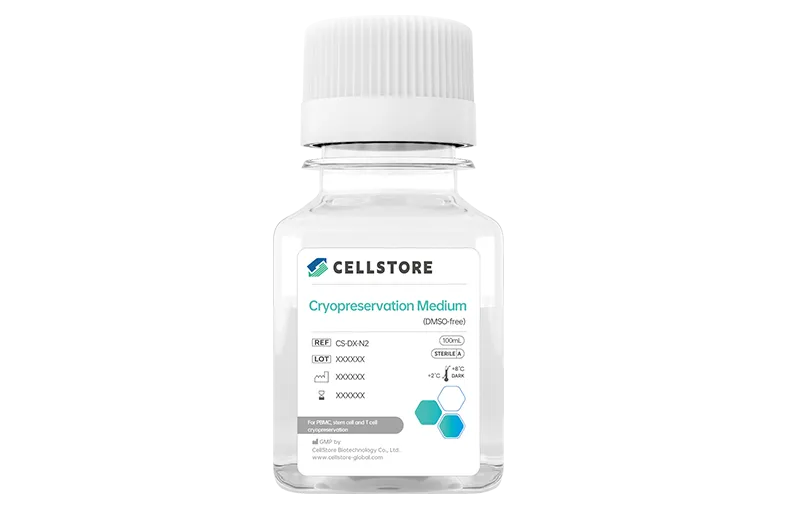
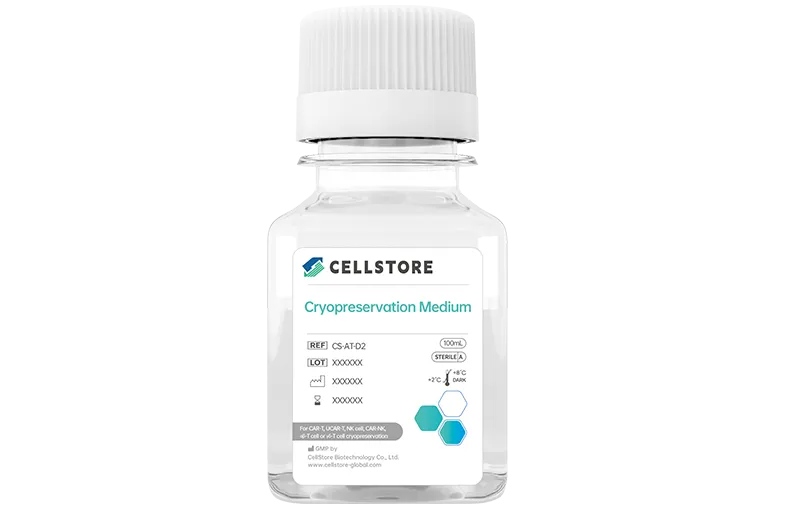
Cryopreservation requires a specialized freezing medium to protect cells during the freeze-thaw process. This medium typically includes the cells' growth medium, a cryoprotectant such as DMSO or glycerol, and a protein source, often serum. The cryoprotectant plays a critical role in reducing cellular stress during freezing and thawing. In cases where serum must be avoided, alternatives such as conditioned serum free freezing medium or 10% cell culture-grade bovine serum albumin (BSA) can be used to supplement the growth medium. Selecting a freezing medium tailored to the specific cell type ensures optimal protection and maintains cell viability throughout the cryopreservation process.
Begin the Freezing Process as Soon as Possible
To preserve cell viability, the freezing process should begin immediately after the freezing medium is added to the cells. Placing cryovials on wet ice before transferring them to a freezing container can expedite this process, minimizing the time cells are exposed to the cryoprotectant outside of controlled freezing conditions. Prompt initiation of the freezing process reduces the risk of cellular stress and helps maintain the overall health of the cell population, ensuring better outcomes during storage and subsequent thawing.
Freeze Cells Slowly
Slow freezing is essential to prevent the formation of intracellular ice crystals, which can cause significant damage to cells. Using a freezing container that provides a controlled cooling rate of approximately 1°C per minute is ideal for this purpose. Once cryovials containing cells are placed in the container, it should be stored at −80°C for at least four hours, though overnight storage is preferable for optimal results. Isopropanol-free freezing systems offer a cost-effective and convenient alternative to traditional methods, eliminating the need for regular alcohol replacements while ensuring uniform freezing to preserve cell viability.
Check Frozen Cell Stocks Before Transfer to Liquid Nitrogen
After freezing cells at −80°C, it is prudent to thaw one cryovial to verify the viability and sterility of the cell stock before transferring the remaining vials to liquid nitrogen for long-term storage. Prolonged storage at −80°C can negatively impact cell health, so transferring cells to liquid nitrogen should occur as soon as these checks are completed. This verification step ensures that only viable, uncontaminated cells are stored long-term, reducing the risk of experimental setbacks due to compromised cell stocks.
Store Cells in the Vapor Phase of Liquid Nitrogen
For long-term storage, cells should be kept in the vapor phase of liquid nitrogen to prevent liquid from entering the cryovials. Liquid infiltration can lead to contamination or cause vials to fail as the liquid expands during thawing. Storing cells in the vapor phase maintains their integrity and ensures they remain viable for future use, thereby safeguarding the quality of the cell stock for ongoing and future experiments.
Ensure Cells Remain Frozen Prior to Thawing for Use
To avoid compromising cell viability, cryopreserved cells must remain frozen during transport from liquid nitrogen storage to the laboratory. Using dry ice or a liquid nitrogen container is essential, particularly for long-distance or extended transport, as transferring cells on wet ice can result in partial thawing and cell damage. Maintaining a consistently frozen state during transport ensures that cells are in optimal condition when they are ready to be thawed for experimental use.
Thaw Cells Quickly
Rapid thawing is critical to preserving cell viability during the thawing process. Upon removal from liquid nitrogen, cryovials should be immediately placed in a 37°C water bath and thawed until the contents are just liquefied. The thawed cells should then be promptly transferred to a large volume of pre-warmed growth medium, with more sensitive cell types, such as stem cells or primary cells, added dropwise to minimize stress. While some cell types may benefit from centrifugation to remove the cryoprotectant before resuspension and plating in a culture flask, others recover better when transferred directly to a flask, with the medium changed the following day to eliminate residual cryoprotectant. This gentler approach reduces cellular stress and enhances recovery.
Confirm That Recently Thawed Cells Are Healthy
After thawing, a quick visual inspection can provide an initial assessment of cell health, such as verifying that adherent cells have attached to the culture flask. This observation should be followed by a viability check during the first passage to confirm that the cells are healthy and behaving normally. These evaluations ensure that the thawed cells are suitable for experimental use and maintain the integrity of the cell line, supporting reliable and reproducible research outcomes.