
Natural killer (NK) cells are important immune effector cells that play a critical role in immune surveillance and targeted cell elimination. With the rapid development of immunotherapy and cell-based research, maintaining healthy NK cell growth and activity in vitro has become a major focus for laboratories and biotechnology companies. NK cell culture media refers to specialized formulations designed to support NK cell survival, proliferation, activation, and functional maintenance during laboratory cultivation.
Unlike conventional cell culture solutions, NK cell culture systems require carefully optimized nutrients, cytokines, growth supplements, and environmental conditions. A suitable NK cell culture medium provides the necessary biological signals and metabolic support to help researchers achieve consistent cell expansion while preserving important immune functions.
The performance of NK cell culture media directly affects expansion efficiency, cell viability, phenotype stability, and downstream applications. Whether used for basic immunology research, NK cell engineering, or cell therapy development, selecting the right culture formulation is essential for improving experimental reliability.
NK cells have unique biological characteristics that make them more sensitive to external culture environments compared with many traditional cell types. Although NK cells naturally function within the human immune system, maintaining their activity outside the body requires precise control of nutrients, signaling molecules, and environmental factors.
An optimized culture environment helps prevent cell stress, supports continuous proliferation, and maintains NK cell cytotoxic capability. Without proper conditions, NK cells may experience reduced viability, slower expansion, or decreased functional response.
For researchers developing immunotherapy applications, the goal is not only to increase NK cell numbers but also to maintain high-quality cells with stable biological characteristics. This is why NK cell medium selection is a critical step in establishing an efficient workflow.
A reliable culture system should support:
Stable nutrient supply for cellular metabolism
Appropriate activation signals for expansion
Consistent cell performance throughout cultivation
Optimized conditions are especially important when moving from laboratory research toward scalable manufacturing processes, where reproducibility and quality control become increasingly important.
Successful NK cell expansion depends on multiple factors, including medium formulation, cytokine support, culture conditions, and cell source quality. Among these factors, the composition of NK cell culture media has a direct influence on how efficiently cells grow and maintain their functional properties.
NK cells require balanced levels of amino acids, glucose, vitamins, minerals, and other essential nutrients. These components provide the energy required for proliferation and support metabolic activities during extended culture periods.
A well-designed NK medium helps maintain cellular health by preventing nutrient limitations while supporting continuous growth.
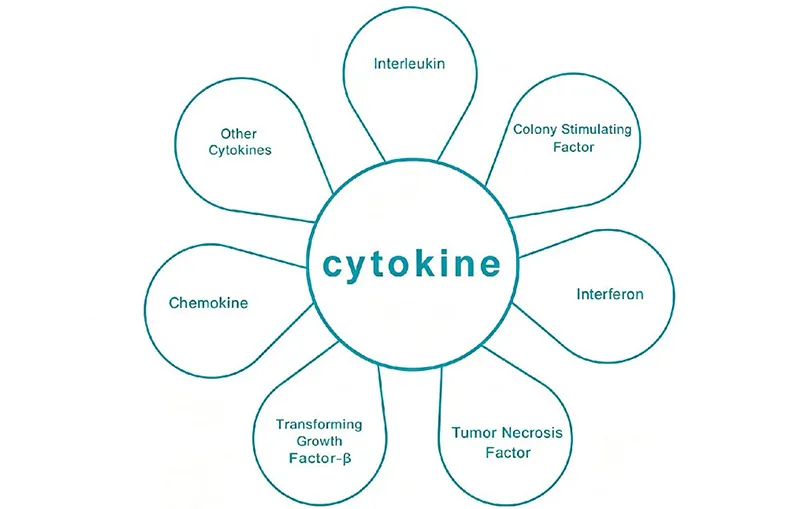
Cytokines play an important role in regulating NK cell activation and expansion. Different cytokine combinations can influence proliferation rates, activation status, and functional characteristics.
The selection of appropriate supplements within an NK cell culture system should match the intended application, whether for research studies or therapeutic development.
Temperature, pH, oxygen levels, and culture duration can significantly affect NK cell performance. Even when using high-quality NK cell culture medium, improper environmental control may reduce expansion efficiency.
The following table highlights major factors influencing NK cell expansion:
| Factor | Influence on NK Cell Expansion |
|---|---|
| Nutrient balance | Supports metabolism and cell growth |
| Cytokine stimulation | Regulates activation and proliferation |
| Environmental control | Maintains cell stability |
| Medium formulation | Affects viability and functionality |
Understanding these variables allows researchers to optimize their NK cell culture protocol and achieve more predictable expansion results.
Increasing NK cell numbers is only one part of successful expansion. Maintaining functional activity is equally important, especially for applications involving cancer immunotherapy and immune cell engineering.
NK cell culture media affects both viability and cytotoxicity by controlling the cellular environment during cultivation. A properly formulated medium supports healthy metabolism while helping NK cells retain their ability to recognize and eliminate target cells.
Researchers typically evaluate NK cell quality through several indicators:
Cell survival rate
Expansion fold change
Activation marker expression
Cytotoxic activity against target cells
A high-quality NK cell culture medium should balance rapid expansion with preservation of immune function. Excessive stimulation may increase cell numbers but negatively affect long-term functionality, making medium selection a key consideration during process development.
For therapeutic research, maintaining consistent NK cell characteristics throughout expansion is essential for achieving reliable results.
As cell therapy research continues to develop, the demand for safer and more standardized culture systems has increased. Traditional culture methods may rely on animal-derived components, which can introduce variability and potential safety concerns. Therefore, serum-free and xeno free media solutions are becoming increasingly important for advanced NK cell applications.
Serum-free NK cell culture media eliminates the need for animal serum supplements while providing a controlled environment for NK cell expansion. This helps improve batch-to-batch consistency and reduces the risk of unwanted immune reactions caused by undefined components.
Xeno free media goes a step further by removing all animal-derived ingredients from the formulation. These media systems are particularly valuable for cell therapy development because they support better regulatory compliance and provide a more controlled manufacturing environment.
Compared with conventional formulations, serum-free and xeno-free NK cell medium options offer several advantages:
Improved consistency between different production batches
Reduced risk of contamination from animal-derived materials
Better suitability for clinical research and cell therapy applications
When selecting a serum-free or xeno-free solution, researchers should consider factors such as NK cell expansion performance, cell viability, functional maintenance, and compatibility with their existing NK cell culture protocol.
For research laboratories and biotechnology companies developing next-generation immune therapies, choosing an appropriate immune cell culture media platform can significantly improve process reliability and scalability.
The application range of NK cells has expanded rapidly, from fundamental immunology studies to advanced cell-based therapeutic development. As a result, specialized NK cell culture media solutions are becoming increasingly important for supporting different research requirements.
In academic research, NK culture systems are commonly used to investigate immune responses, cell signaling pathways, and mechanisms of cytotoxic activity. Researchers need reliable media formulations that maintain NK cell characteristics while enabling accurate experimental analysis.
For cell therapy development, the requirements are more demanding. Expansion processes must achieve sufficient cell numbers while maintaining functional activity, consistency, and quality standards.
Different applications may require different media characteristics:
| Application | Key Media Requirements |
|---|---|
| Basic NK cell research | Stable growth and reproducible results |
| Immunotherapy studies | Maintained cytotoxic activity |
| Cell therapy development | Scalable expansion and quality control |
| NK92 cell research | Optimized support for NK92 culture media |
For example, NK92 culture media is specifically designed to support the growth and maintenance of NK92 cell lines, which are widely used as research models for studying NK cell biology and therapeutic potential.
As cell therapy moves toward larger-scale production, researchers increasingly require media systems that can support consistent expansion from early research stages to more advanced development processes.
Choosing the right NK cell culture media supplier can help streamline research workflows, improve experimental outcomes, and support future scalability.
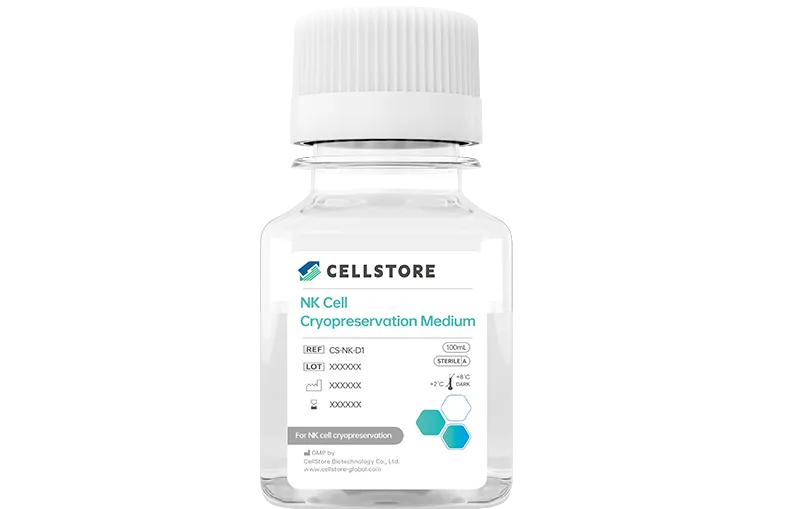
NK cell culture media is designed to support NK cell growth, expansion, and functional maintenance in vitro. It provides essential nutrients and growth factors required for immune cell research, NK cell expansion, and cell therapy development.
An NK cell culture medium is specially formulated for NK cell requirements, helping maintain cell viability, proliferation, and immune function compared with general-purpose culture media.
Xeno free media eliminates animal-derived components to improve consistency, safety, and standardization. It is widely used in advanced immune cell culture and cell therapy research.
Researchers should evaluate expansion efficiency, cell viability, functional stability, and compatibility with their NK cell culture protocol when selecting suitable NK cell culture media.
Yes. Specialized NK92 culture media supports the maintenance and expansion of NK92 cell lines for immune research and related applications.